
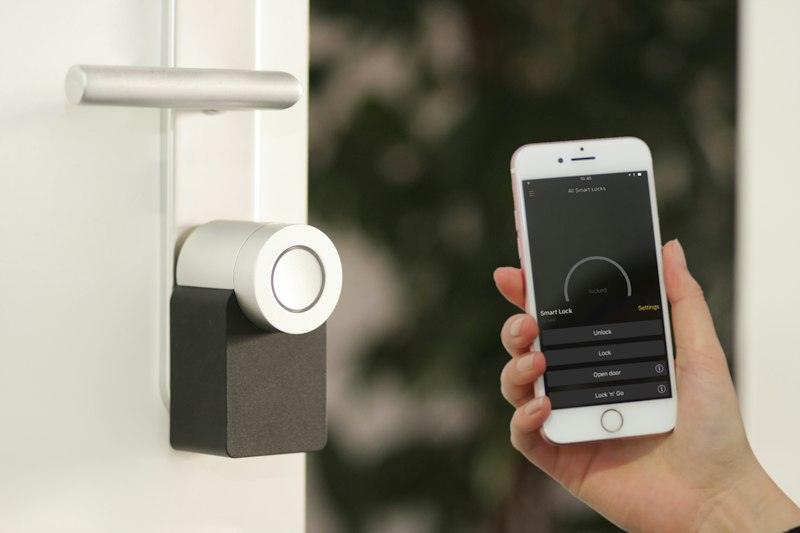
What is home automation?
Home automation (also called a smart home) refers to the use of technology to control and automate household systems such as lighting, heating, cooling, security, and entertainment — often from a single app or via voice commands. At its core, automation means devices can act on schedules, sensor data, or user commands without manual intervention. The goal is a home that responds intelligently to your needs, reducing effort while improving comfort, safety, and energy efficiency.
The key components
A typical smart home consists of three layers: (1) Devices — smart bulbs, thermostats, locks, cameras, sensors, motorized blinds. (2) A hub or controller — a central brain (like a KNX controller, Amazon Echo, or Home Assistant server) that coordinates devices and runs automation logic. (3) A network — Wi-Fi, Zigbee, Z-Wave, or KNX wiring that lets devices communicate reliably. All three layers must work together; a great device on a poor network or without intelligent logic delivers little value.
How automation logic works
Automation rules are essentially 'if this, then that' logic. For example: if a motion sensor detects movement after 10pm → turn on the hallway light to 30% for 2 minutes. These rules can be simple (a single trigger and action) or complex (multiple conditions, time windows, override states). KNX and Home Assistant allow hundreds of such rules running simultaneously without performance issues. The sophistication of your automation logic is ultimately what separates a truly smart home from a collection of app-controlled gadgets.
Protocols and standards
Devices communicate using different protocols. Wi-Fi smart devices are easiest to set up but can strain your router and depend on cloud servers. Zigbee and Z-Wave are mesh protocols designed for IoT — lower power, more reliable, local control. KNX is a professional-grade wired standard used in commercial and high-end residential projects, offering unmatched reliability and longevity. Matter is a newer universal standard aiming to unify all ecosystems, allowing devices from different manufacturers to work together seamlessly.
Is it right for you?
Home automation ranges from a ₹2,000 smart bulb you control by voice to a ₹50-lakh whole-home KNX installation. The right starting point depends on your goals: convenience, energy savings, security, or accessibility. Most people start small — a smart speaker and a few bulbs — and expand over time as they discover the value. For new construction or major renovations, planning the full automation architecture upfront is always more cost-effective than retrofitting later.